
Semaglutide/Pyridoxine (B6)
Semaglutide paired with Pyridoxine (Vitamin B6) is a commonly compounded weight loss injection that combines a GLP-1 receptor agonist (semaglutide) with B6 to manage nausea and support metabolism. The B6 is added to reduce common side effects like nausea and vomiting, potentially improving patient tolerance and maintaining energy levels during weight loss.
Key Aspects of Semaglutide/B6 Combination
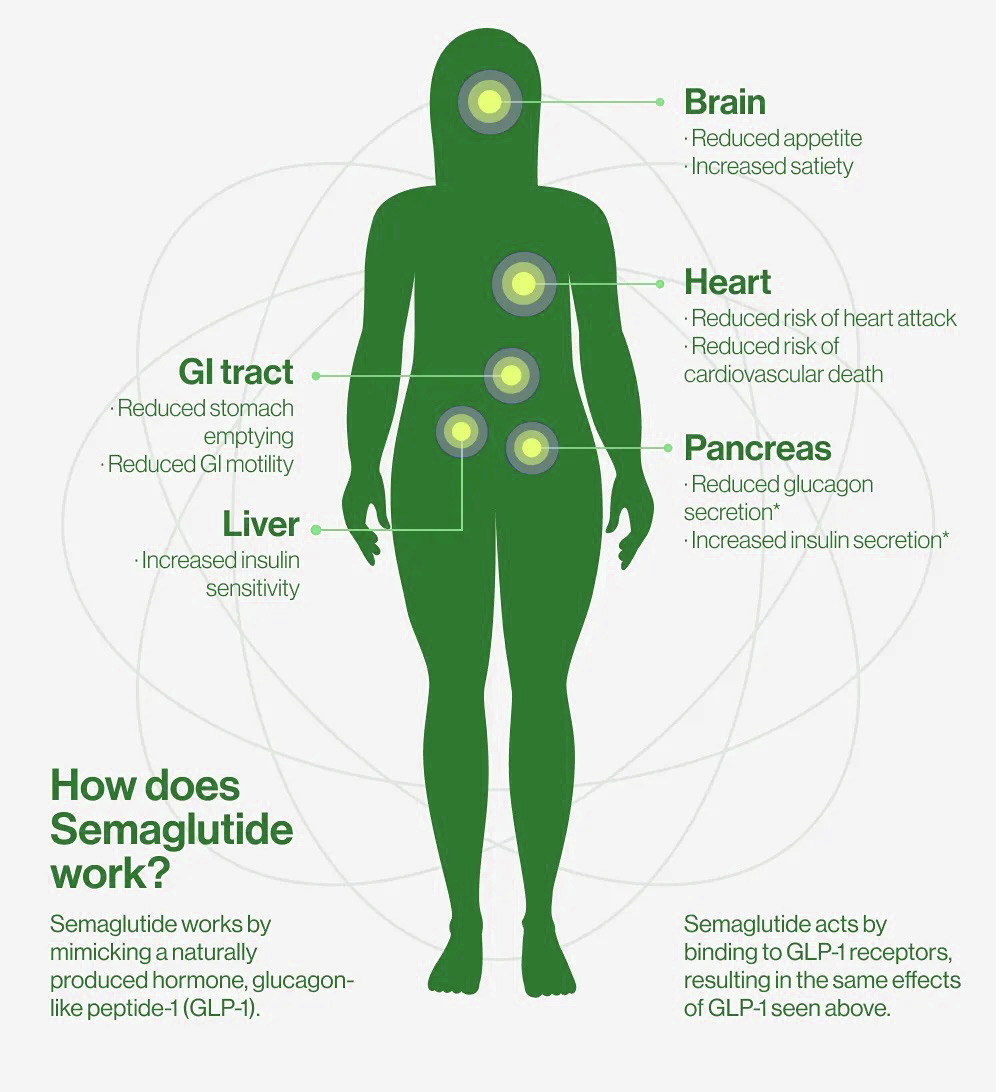
- Purpose: Semaglutide acts as an appetite suppressant and blood sugar regulator, while Vitamin B6 is added to support metabolism and mitigate nausea.
- Compounding: This mixture is typically created by compounding pharmacies. The FDA has advised that the safety and efficacy of combining semaglutide with additives like B6 have not been officially established.
- Benefits of B6: Beyond addressing nausea, B6 supports the metabolism of fats, proteins, and carbohydrates, converting food into energy, which helps combat fatigue.
- Effectiveness: Studies confirm the efficacy of semaglutide itself for weight loss (up to 15% body weight loss), with the B6 added for symptom management.
- Administration: It is typically administered through a once-weekly subcutaneous injection.
Side Effects and Precautions
Common side effects of semaglutide still apply, including nausea, vomiting, diarrhea, constipation, and abdominal pain, even with the addition of B6. As with all compounded medications, it is important to use a reputable pharmacy and consult a healthcare provider.
Semaglutide/Cyanocobalamin (B12)
Semaglutide/Cyanocobalamin is a compounded, prescription injectable medication combining a GLP-1 receptor agonist (semaglutide) for weight loss and blood sugar management with Vitamin B12 (cyanocobalamin) to support metabolism and reduce fatigue. It is generally used once weekly for weight management and chronic metabolic conditions.
Key Aspects of the Combination
- Action Mechanism: Semaglutide mimics a hormone to increase fullness and reduce appetite, while cyanocobalamin is included to support energy levels and metabolic function, potentially mitigating fatigue often associated with reduced calorie intake.
- Compounded Formulation: This combination is typically available from specialized compounding pharmacies. It is not FDA-approved, meaning it has not underwent the same rigorous FDA review for safety and efficacy as brand-name drugs.
- Usage: It is tailored for individual patient needs based on a doctor’s prescription, often with various concentrations available.
- Benefits: Studies show that this combination can lead to meaningful weight loss (e.g., studies indicated approximately \(4\%-5\%\) reduction in 3 months) and improved body composition.
- Side Effects: Common side effects include nausea, vomiting, diarrhea, constipation, and injection site reactions.